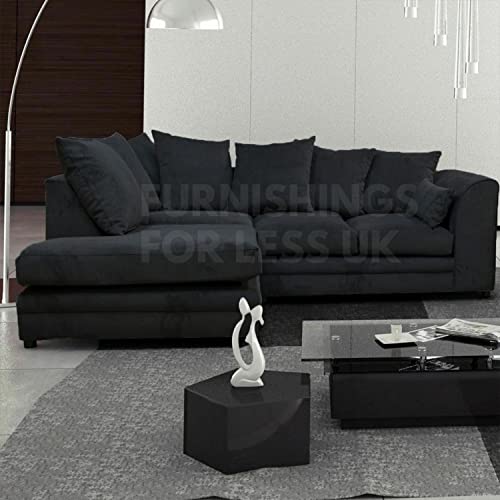
What Makes The Sofas And Couches So Effective? When COVID-19 Is In Session
How to Choose Sofas and Couches That Fit Your Space If your sofa is likely to see a lot of use look into a fabric that is durable like Crypton or microfiber. They're resistant to stains and easier to clean than natural fibers. For a more luxe feel choose a velvet sofa, but be prepared to pay for a premium. These are gorgeous fabrics but they scratch easily and require professional cleaning. Size Finding a comfortable sofa that can work with your space can be challenging. It can be difficult to gauge the size of a couch or the hue of your screen, especially when you shop on the internet. There are a number of furniture technology tools to help you make the best decisions for your home. The most important aspect to think about is the type of sofa you'll need. It is important to take into consideration your seating requirements as well as how long you intend to spend on the sofa. For instance are you likely to be watching TV, lounging, or entertaining guests? Then you might require a larger couch or more flexible sectional that has different seating and configurations. You should also think about the amount of space you require for your legs. It is easier to move around on and off the sofa if you have more leg space. This is especially helpful for families with young children or elderly adults living in the home. Not least, you should choose the fabric that is strong and able to withstand the wear and tear of everyday life. Select fabrics that are stain-resistant and easy to maintain. This will cut down on the time needed for cleaning and will keep your sofa looking brand new. When you are choosing a sofa, you also want to consider the way it will interact with other furniture pieces in the room. The sofa should work well with other pieces and not overwhelm or crowd them. To determine whether the sofa will blend in with your existing furniture, try clearing a small space, and using masking tape to define where the sofa should go. This will give you an exact idea of how it will fit into the space. For the majority of homes, a three-seat sofa is the most common size for a couch. If you have less space, you could opt for a two-seater or settee, which has bench-style seating and is slimmer than a traditional sofa. This kind of seating is ideal for smaller spaces and usually is ideal for the center of a living or family room. Comfort If you're seated to watch a show or just sitting back and relaxing after a long work day comfort on your sofa is an important factor. The right frame materials like kiln-dried wood ensure stability and durability, while upholstery options like memory foam or down allow you to select the level of softness that matches your personal preferences. The depth of your seat also is a factor in your comfort, influencing your posture and leg support. As a general rule we suggest settling for the seat depth that's approximately the same height as your own natural height. The style of your couch will not only determine the way your room is used but also sets the tone. Sofas with a bold shape, curved backs or trendy colors can become the focal point for your space. Conversely, couches with a more relaxed feel are best used as an accent piece anchored by other furniture pieces in the room. Couches with a more relaxed appearance and a padded cushion are the ideal spot to unwind, relax and unwind from your day's stressors. If you're looking for a place to unwind, a deep reclined sofa is the perfect choice. Sofas with storage allow you to conceal everyday items like remote controls and reading glass while keeping them easily accessible. This creates a sleek, uncluttered look. Some modern sofas have advanced features like USB ports and feetrests that can be extended. They are perfect for tech-savvy homes. It's becoming more commonplace for couch and sofa to be used interchangeably since the definitions of both evolve. If you're looking to draw an unambiguous line, it's best to consider the way each piece of furniture functions within your home, and the place they're placed. Sofas tend to work well in more formal settings, where they can be appreciated for their exquisite upholstery and elegant lines, while couches often find themselves tucked away in casual family spaces and entertaining areas. Style The couch you choose will determine how comfortable you feel when relaxing. Pick a shape that fits your body, and think about adding a variety of comfort-boosting throw pillows and a blanket to cocoon yourself in. This will provide color, pattern and texture to your seating area. It can also make it easier to unwind and read a book or sit down to watch television. Choose a fabric that is both robust and suitable for your lifestyle. Choose upholstery that comes with a long-lasting warranty, and bear in mind that natural fabrics usually provide more durability than synthetic ones. Like all home furnishings, sofas and couches are susceptible to wear and tear over the course of time So, it is important to be aware of the maintenance requirements of the furniture you purchase. Keep your seating spotless by vacuuming regularly using the soft brush attachment, and cleaning up spills immediately after they occur. Rotating cushions periodically and keeping them out of direct sunlight will help keep their appearance in good shape, too. In addition to these basic maintenance tips, also consider whether the sofa you want has additional features that would make it more useful for your needs. Included are the ability to recline, storage and built-in lighting. While many people use sofas and couches interchangeably, the differences between these furniture pieces are worth mentioning. Understanding the differences can aid you in choosing a seating option that is appropriate for your living space and family room as well as any other room in your home. These differences may seem insignificant but they can help you create an area that is both pleasing to the eye and functionally helpful to your needs. Stores There is a distinct difference between the two types of seating, even though some furniture brands employ them interchangeably. A couch has a more casual appearance, with soft fabrics and a less streamlined shape. Sofas on the other hand are usually thought of as more formal and are perfect for elegant living spaces. Sofas and couches come in a wide range of sizes, styles, and features. For example there are modular sofas that allow you to mix and match different sections to create your own configurations. These are perfect for small rooms that are small in size however they must accommodate a large number of people. There are models that recline and feature built-in power outlets that can be used to charge devices. Others come with built-in storage like a shelf or table for books or decorative items. Before you throw away your couch You must thoroughly clean it. This means vacuuming the entire surface, wiping down non-fabric areas, and washing the fabric. It is possible to take out pillows and cushions and wrap them separately to protect them. When storing a sofa, it is essential to place it on its back for the duration. couches and sofas will stop it from becoming swollen and moldy due to excess moisture. It will also prevent insects from infesting your upholstery. It is important to choose a storage unit that has adequate ventilation. If your couch is exposed over time to harsh conditions such as extreme humidity or frequent temperature fluctuations, it will become brittle. Finally, make sure to prepare your couch for storage by covering the floor of your storage space with a tarp, and laying down cardboard or plastic sheets. This will protect against moisture seepage from the floor into the storage unit. It is also recommended to keep your couch away from walls, as this will ensure airflow and prevent condensation from forming within the fabric. It is crucial to know how to store your couch properly before putting it in long-term storage.